

EV-302 Update: Enfortumab Vedotin Plus Pembrolizumab Maintains Survival Benefit at 3.5 Years in Metastatic Urothelial Cancer

Key Points
- New data presented at ASCO 2026 shows that enfortumab vedotin plus pembrolizumab continues to demonstrate a durable overall survival benefit at 3.5 years, with 44% of patients alive versus 24.6% with chemotherapy.
- The combination delivers significantly higher response rates, including nearly double the complete response rate, with many partial responses deepening to complete responses over time.
- Safety remains manageable, with dose interruptions and reductions playing a critical role in maintaining long-term treatment exposure.
For decades, platinum-based chemotherapy represented the standard frontline treatment for patients with metastatic urothelial cancer (mUC). Results from the phase 3 EV-302 trial established enfortumab vedotin plus pembrolizumab (EV+P) as a new standard of care, and updated findings presented at the 2026 American Society of Clinical Oncology (ASCO) Annual Meeting continue to reinforce its long-term benefit. With approximately 3.5 years of follow-up, 44.0% of patients treated with EV+P remained alive compared with 24.6% of those who received platinum-based chemotherapy, highlighting the durability of the survival advantage observed with the combination.
EV-302 randomized 886 patients with previously untreated locally advanced or metastatic urothelial cancer to receive EV+P or platinum-based chemotherapy (Figure 1).
Initially presented at the 2023 European Society for Medical Oncology Congress, and subsequently published shortly afterwards in The New England Journal of Medicine in 2024, this trial transformed the treatment landscape and established a new standard of care for patients with mUC.
In the initial publication, the trial met its dual primary end points of progression-free survival (PFS) and overall survival (OS), with a median PFS of 12.5 months versus 6.3 months with platinum-based chemotherapy (HR, 0.45; 95% CI, 0.38-0.54) and median OS of 31.5 months versus 16.1 months (HR, 0.47; 95% CI, 0.38-0.58). The objective response rate (ORR) was also significantly improved to 67.7% with EV+P compared with 44.4% with platinum-based chemotherapy.
The most common treatment-related adverse events (TRAEs) seen with EV+P were peripheral sensory neuropathy (50%), pruritus (39.8%), alopecia (33.2%), and rash (32.7%), while grade 3 or higher adverse events of special interest included skin reactions (15.5%), peripheral neuropathy (6.8%), and hyperglycemia (6.1%).1
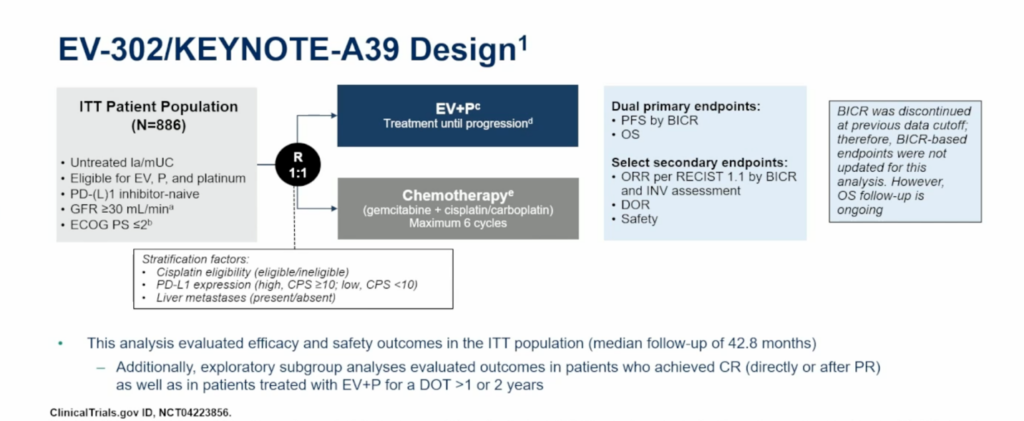
Figure 1. EV-302 Clinical Trial Schema
During the oral abstract session held on May 29, 2026 during the American Society of Clinical Oncology Annual Meeting, Thomas Powles, MD, MBBS, MRCP, of Barts Cancer Institute, presented Abstract 4507: Enfortumab vedotin plus pembrolizumab (EV+P) vs. chemotherapy for previously untreated locally advanced or metastatic urothelial carcinoma (la/mUC): 3.5-year follow-up and response analyses from the phase 3 EV-302 study. Updated OS in the intention-to-treat (ITT) population at 42 months was 44% in the EV+P arm versus 24.6% with platinum-based chemotherapy (HR, 0.53; 95% CI, 0.45-0.63) (Figure 2).
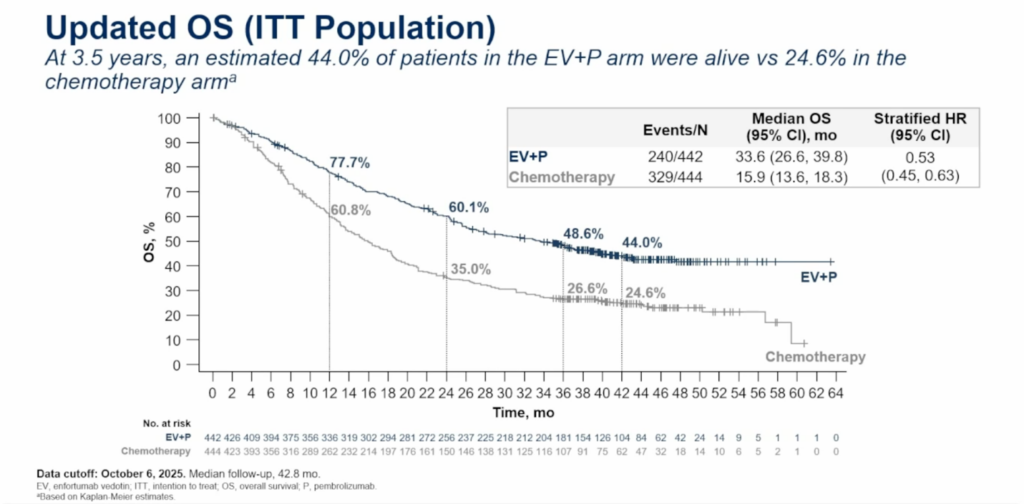
Figure 2. Kaplan-Meier Curve for Overall Survival at 3.5 Years
In the EV+P arm, 43.4% of patients received subsequent anticancer treatment with platinum-based chemotherapy being the most commonly utilized second-line regimen, demonstrating an ORR of 20.7% with a median OS of 10.9 months (95% CI, 8.3-12.8) from the initiation of platinum-based chemotherapy. Dr. Powles noted the median OS from the start of platinum-based chemotherapy could perhaps be used as a benchmark for ongoing prospective phase 3 studies evaluating therapies in the second-line post EV+P setting for patients with mUC. Of the 67.5% of patients with a response, 30.4% of those patients had a complete response (CR) to treatment, with a median time to CR of 4.1 months. Nearly two-thirds of patients experiencing an initial partial response (PR) on their first restaging evaluation had subsequent conversion to a CR on follow-up imaging (Figure 3).
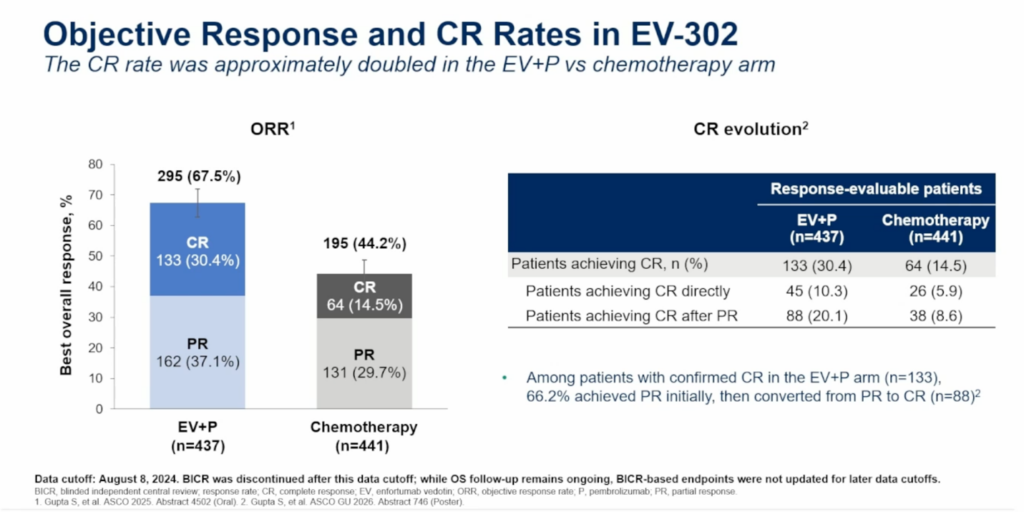
Figure 3. Complete and Partial Response Rates in the EV-302 Trial
Median duration of therapy for EV was 7.1 months and 8.5 months for pembrolizumab. Dose interruptions with EV occurred in 60% of patients, while 43% required dose reductions. At 1 year, 41.8% of patients remained on treatment while 23.2% of patients continued on treatment at 2 years. Dr. Powles highlighted the importance of dose interruptions and dose reductions in being able to keep patients on treatment. For patients who continued treatment for 1 year or >2 years, there were similar rates of grade 3 TRAEs compared with the overall population, although rates of peripheral sensory neuropathy were higher among patients receiving treatment for more than 1 year (Figure 4).2
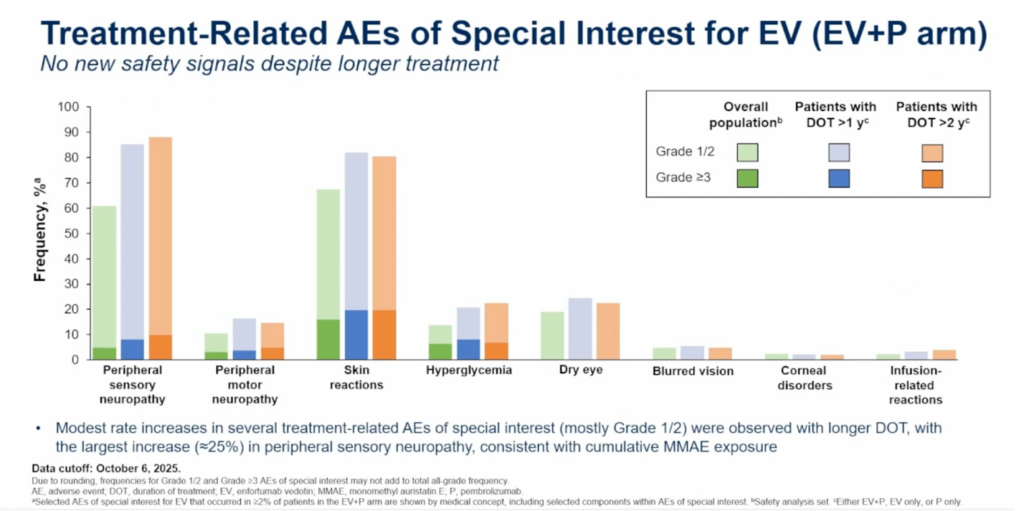
Figure 4. Frequency of Treatment-Related Adverse Events of Special Interest for Enfortumab Vedotin
Dr. Powles concluded by emphasizing that, with approximately 3.5 years of median follow-up, EV+P continues to demonstrate a sustained OS benefit, reinforcing its role as the preferred standard of care in the first-line treatment of locally advanced or mUC.
He noted that platinum-based chemotherapy remained the most common subsequent therapy after EV+P, with clinically meaningful response rates observed in that setting.
Furthermore, the combination also achieved higher ORRs than chemotherapy, with roughly twice as many patients achieving CR. Responses were shown to deepen over time, as about two-thirds of patients who initially achieved PR converted to CR, ultimately demonstrating similar survival rates as patients with CR overall.
In addition, EV+P maintained a consistent and manageable safety profile. Dose interruptions and reductions play an important role in managing AEs and helping patients remain on therapy, Dr. Powles said.
References
- Powles T, Valderrama BP, Gupta S, et al. Enfortumab vedotin and pembrolizumab in untreated advanced urothelial cancer. N Engl J Med. 2024;390(10), 875–888. doi:10.1056/NEJMoa2312117
- Powles T, Van Der Heijden MS, Bedke J, et al. Enfortumab vedotin plus pembrolizumab (EV+P) vs chemotherapy for previously untreated locally advanced or metastatic urothelial carcinoma (la/mUC): 3.5-year follow-up and response analyses from the phase 3 EV-302 study. J Clin Oncol. 2026;44(suppl 16): Abstract 4507.